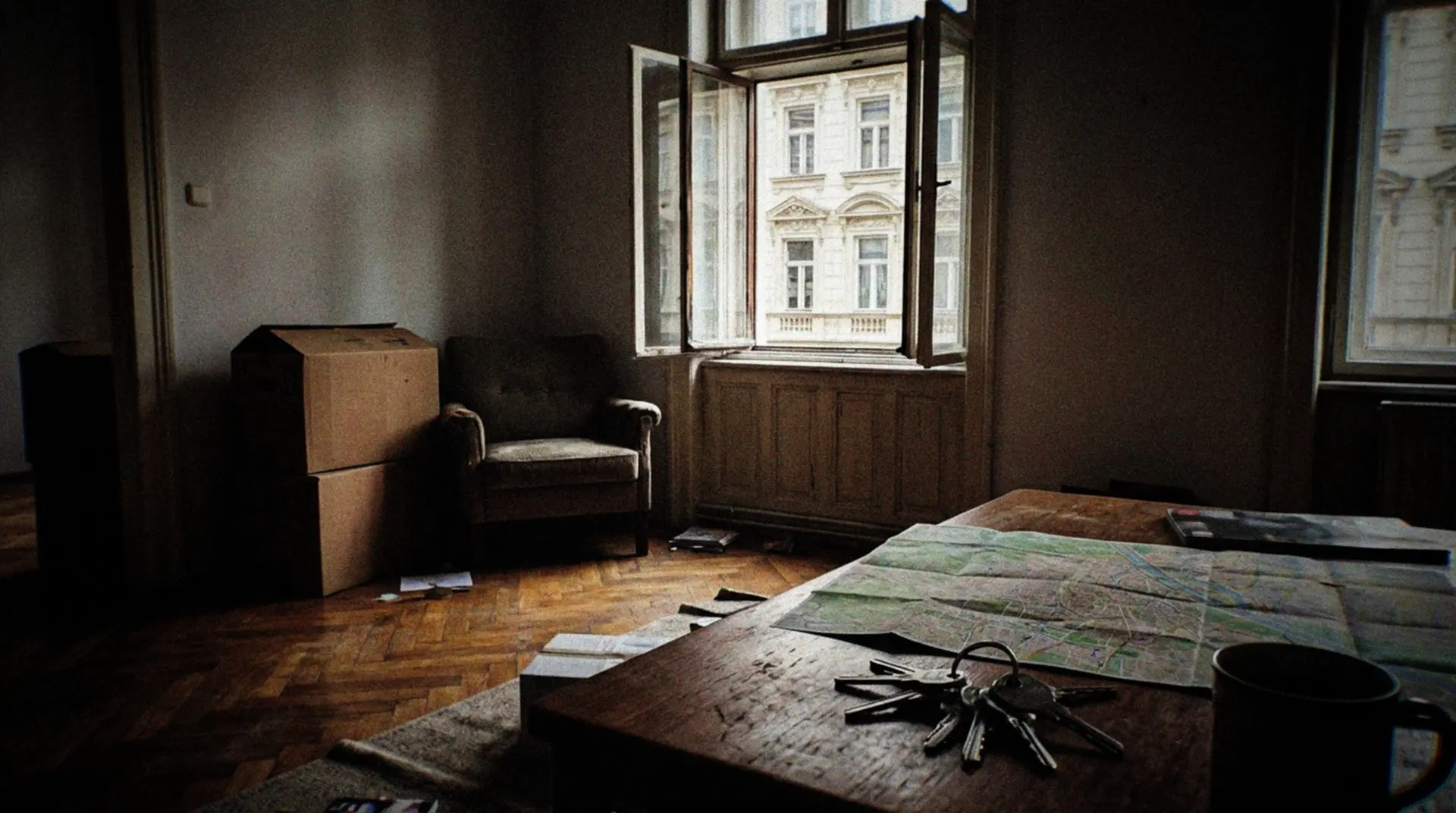
When I first embarked on the search for an apartment in Vienna, I kind of thought it would be a walk in the park. I mean, it’s a city that’s always ranked among the best places to live, so how tough could it be, right? Little did I know, being an expat in Vienna comes with its own set of twists and turns that most guides just gloss over. But hey, the bright side is that once you get a handle on the quirks—and the laws here really favor tenants—it’s definitely doable.
Getting the Hang of Vienna’s Housing Scene
Vienna’s housing market is like a whole different ballgame compared to what you might be used to. Around 60% of locals live in some type of subsidized or city-provided housing (Gemeindebau or Genossenschaftswohnungen). While this keeps costs lower than in other pricey cities like Paris or London, it also means newcomers typically end up in the bustling private rental sector since they don’t qualify for social housing right off the bat.
Things can get a bit quirky here. Hot properties in central areas can disappear within hours of being listed, but the paperwork is nothing if not thorough. Austrians take rental agreements pretty seriously; for them, a lease isn’t just a deal—it’s more like starting a long-term relationship. It might feel like overkill, but once you’ve signed and got the keys, it’s pretty solid.
So, Where Do You Start Your Search?
Most people new to Vienna kick off their apartment hunt on Willhaben.at, which is basically the biggest classifieds site in Austria. It’s got everything, but it’s all in German. ImmobilienScout24 is also popular and a bit easier to navigate thanks to better filtering options.
If you’re after something more expat-friendly, especially if you’re looking for a furnished place, international sites like HousingAnywhere or Spotahome can be a lifesaver. They offer support in English and let you book from afar. Just a heads-up though: convenience comes with a markup, often 20-30% more than local rates.
Important News on Agent Fees:
You might stumble across older discussions warning about huge broker fees. Well, things took a turn in July 2023 when the Bestellerprinzip (the principle where the one who orders the service pays) came into play. In the rental game, the landlord usually hires the agent, so as a tenant, you typically don’t pay the broker’s fee anymore (it used to be a whopping two months’ rent). The only time you’d shell out is if you hire an agent to do the hunting for you.
Putting Together a Standout Application
It’s competitive out there. I’ve been to apartment viewings where you find yourself in a line of twenty people snaking down the staircase. To really get a foot in the door, think of your application like you would a job interview.
Landlords are really keen on financial stability and long-term plans. It’s a good idea to put together a folder, either digital or old-school paper, with your “Mietanbot” (rental offer) that includes:
- Income Proof: Usually your last three months of payslips (Lohnzettel). Ideally, your net income should be about three times the monthly rent.
- Employment Contract: To show you got a job in Vienna.
- ID Stuff: Your passport and visa or residence permit.
- Credit Record: In Austria, this is a KSV1870 report. As a newcomer, you won’t have one, so it’s smart to include a cover letter explaining this alongside a bank statement showing savings.
Pro Tip: Every little helps, so a short personal letter (yep, in German—use a translator if need be) saying who you are, how stable your job is, and your eagerness to settle down in Vienna can make a big difference. It helps turn you from just another “anonymous foreigner” into a “reliable tenant.”
Handling Rental Contracts and Austrian Laws Like a Pro
Vienna’s rental laws (Mietrechtsgesetz or MRG) really look out for tenants, but you need to know the lingo.
- Contract Length: You’ll see unlimited (unbefristet) and limited (befristet) contracts. Limited ones usually run 3-5 years.
- Important Note: By Austrian law, limited contract tenants can end their lease early, but only after a year plus a three-month notice. So, you’re basically committed for the first 15-16 months.
- Old vs. New Buildings (Altbau vs. Neubau): Vienna has a thing about “Altbau” (built before 1945) and “Neubau” (after 1945) apartments. Altbau rents are controlled by a benchmark system (Richtwert), which can make them surprisingly cheap, though extra fees apply based on the apartment’s condition.
- The Deposit: Generally, it’s three months’ rent, and you should get it back with any interest when you move out, as long as the place isn’t damaged beyond usual wear and tear.
Picking the Right Neighborhood
Vienna’s carved up into 23 districts (Bezirke). The address code tells you where it’s at: 1010 is the 1st district, 1070 is the 7th, and so on.
- Social Spots (Districts 2, 6, 7, 8): Leopoldstadt (2nd) is popular with expats, blending big parks like Prater with cool cafés around Karmelitermarkt. Neubau (7th) and Josefstadt (8th) are trendy, urban, and a bit pricey, known for their gorgeous architecture and a buzz of restaurants.
- The Quiet Zone (Districts 13, 18, 19): For families or those who love peace and quiet, Hietzing (13th) and Währing (18th) feel almost village-like with their villa-style homes. They’re further out, but public transport like trams and the U-Bahn keep them well linked.
- Student Spirit (District 9): Alsergrund is home to major universities and hospitals. It’s lively and great for walking, attracting young professionals and students.
- Rising Stars (Districts 10, 15, 16): Favoriten, Rudolfsheim-Fünfhaus, and Ottakring have traditionally been working-class and multiculturally rich. Rents are much cheaper here. While they might feel a bit rough, areas like Brunnenmarkt in the 16th district are quickly getting more upscale.
Budgeting and the Sneaky Costs to Watch Out For
When you’re budgeting, make sure you know what monthly expenses to expect:
- Rent: Either “Kaltmiete” (rent alone) or “Warmmiete” (rent with operating costs).
- Operating Costs (Betriebskosten): These are mandatory fees for stuff like trash and taxes added to the rent. Always ask for the whole amount inklusive Betriebskosten.
- Utilities: Electricity and heating are normally separate. You might need €100-€200 monthly, depending on the apartment’s energy setup (those high Altbau ceilings can be pricey to heat).
- ORF Fee: Originally called GIS, it’s now a household levy starting in 2024. It’s about €15.30 a month, plus state tax, and you’re on the hook for it whether you own a TV or not.
- The Kitchen Surprise: A uniquely Austrian twist is moving into an “empty” kitchen. Many unfurnished places give you utility hookups but nothing else—no sink, no stove, nada. You might have to shell out €2,000–€5,000 for a kitchen setup or buy it off the previous tenant (Ablöse). Always double-check: “Ist eine Küche vorhanden?” (Is there a kitchen?).
Watch Out for These Snags and Sidestep Them
Scams: Vienna is super safe, but rental scams still happen. Never transfer cash via Western Union or for an unseen apartment. If the landlord claims they’re overseas and will mail the keys, that’s a big red flag.
Operating Cost Adjustments: The Betriebskosten are estimates. Once a year, you’ll get an update. If the building’s expenses outpaced expectations, you might have to cough up the difference.
Documentation to the Max: When moving in, do a detailed walkthrough (Übergabeprotokoll). Snap photos of every scratch and chip. Austrian landlords are very particular about how you leave the place.
Settling Into Viennese Life
Once you’ve got a signed lease, there are three things to do right away:
- Get Registered (Meldezettel): Within three days of moving in, you need to register at the Meldeamt (part of the district office). You need a form signed by your landlord to secure a residence permit and internet access.
- Sort Utilities: Usually, you stick with Wiener Netze for grid operation, but you can pick your supplier (like Wien Energie or Verbund).
- Coverage: Household insurance (Haushaltsversicherung) is affordable (roughly €10 per month) and often a lease requirement. It covers things like liability and theft.
Wrapping Up
Searching for a place in Vienna demands patience, piles of paperwork, and a bit of cultural savvy. It’s a bit of a hassle upfront, but the benefits are hefty: tenant protections are strong, buildings are well-kept, and you get to live in a city that’s all-around fantastic. Once you’re sipping a Melange in your spacious living room, it all feels worth it.
FAQs
How long does it usually take to land a place?
You’re probably looking at 4 to 8 weeks. You could get lucky sooner, but quality apartments are in demand, and bureaucracy is a thing. Booking temporary digs (like an Airbnb or serviced apartment) for the first month can help avoid rushing into a poor lease.
Do I need to speak German?
You can get by with English, but knowing German helps a ton in the rental market. Listings, contracts, and bills are in German. A browser translator can help with listings, but for contracts, definitely enlist a German speaker or the Austrian Tenants’ Association (Mietervereinigung). It’s a smart move for legal security.
What’s “Ablöse”?
This one-time payment is to the previous tenant or the landlord for any fixtures or furniture you’re taking over, most commonly the kitchen. The cost is worked out based on the age and original price of the items. It’s legit, but you can ask to see the value calculation so you don’t overpay.
Can I haggle the rent?
In this current market, talking landlords down on rent isn’t easy for sought-after spots. But you might have wiggle room on the Ablöse or be able to swing a rent-free first month if you’re up for doing some touch-up work.
Is the apartment strictly for living?
Generally, Austrian leases specify it’s for living. If you want to run a business with clients or staff from home, you need special permission. However, working remotely from home is usually no big deal.