Mindful Walking Tours in Vienna: Self-Guided Contemplative Routes
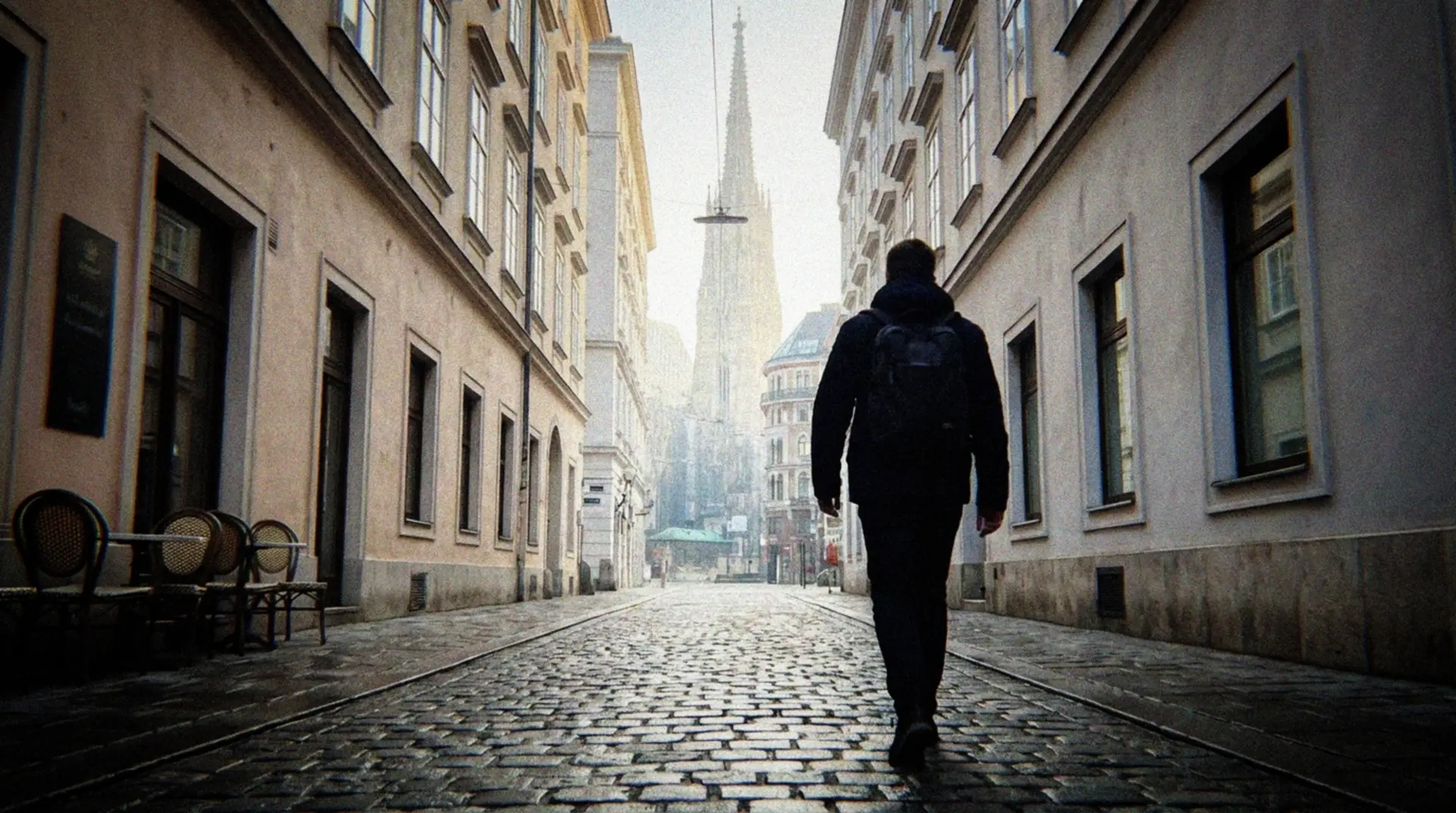
Ah, Vienna at dawn. There’s something almost magical about the city waking up slowly, before the crowds take over Stephansplatz, before the U-Bahn gets packed, and the city throws off its dreamy state. During these quiet hours, I stumbled upon the true meaning of mindful walking in this place. It’s not your regular stroll, and it’s definitely not your typical sightseeing. It’s about being completely in the moment in one of Europe’s most culturally vibrant cities.
Ever felt that sense of disconnection? Like, you’re scrolling through emails surrounded by Baroque beauty, or rushing past the Prater without even noticing the trees? You’re not alone. In this age of “over-tourism” and digital overload, Vienna gives us a rare gift: the chance to just slow down.
What Makes a Walk ‘Mindful’? (And Why It Matters)
Mindful walking is about ditching the destination mindset. It’s like meditation on the go, a practice modern psychology endorses to lower stress levels and give our overactive minds a little peace.
Unlike sitting still to meditate, this involves getting in tune with how your body moves—paying attention to the rhythm of your steps, the feel of cobblestones, and how light dances with shadows.
In a place like Vienna, this kind of walk matches perfectly with the age-old idea of the flâneur—the city wanderer who aims to truly understand the streets beneath their feet. Vienna’s pace—chilled compared to Berlin and greener than Paris—really encourages this slow kind of exploration. Picture walking the same streets where Freud pondered human minds and Beethoven escaped to nature. These self-guided paths are set up to help you swap speed for depth, with no tools required apart from comfy footwear and a phone in silent mode.
Route 1: The Prater’s Quiet Pathways – Nature Within the City
When people talk about the Prater, they often think of its amusement park and the famous Riesenrad ferris wheel. But if you go beyond the neon, you’ll find the Grüner Prater, a vast oasis that was once an imperial hunting ground until 1766.
The Route:
Kick off your adventure at Praterstern station early, aiming for around 6:30 AM. Pass by the Riesenrad and head to the Hauptallee, a grand 4.5-kilometer stretch lined with horse chestnuts. While this main road is lovely, the true peacefulness lies off the beaten path.
Venture onto one of the unpaved trails leading south towards Heustadlwasser, a tranquil oxbow lake that’s a leftover from the Danube. Here, city noise fades away. In spring, the air is laced with wild garlic (Bärlauch), and come autumn, the earthy scent of fallen leaves takes over.
The Practice:
This walk thrives on its contrasts. You’re technically still in the Second District, yet you’re enveloped by nature. Let this contrast be your focus.
- Audio Focus: Ditch the headphones. Tune into the blend of sounds—the distant city hum against the gentle rustling of small critters.
- Visual Focus: Adjust your eyes from the wide view to the details. Really look at the texture of those ancient chestnut tree barks.
- Pause Point: Find a spot near Maria Grün church in the park to just sit for a bit—five minutes of simply being still can do wonders.
Route 2: Schönbrunn Gardens – Imperial Serenity
Schönbrunn Palace is top on the list for tourists, drawing in millions every year. But the park’s gates open bright and early at 6:30 AM, long before the busloads of visitors arrive. This grandiose UNESCO site, full of Baroque order, can surprisingly help clear your mind.
The Route:
Start through either the Hietzing Gate or the Main Gate. While a visit to the Kronprinzengarten is worth it later, head west first to the Roman Ruin. It’s secluded and always serene at dawn.
From there, take your time climbing up to the Gloriette. It’s a gentle slope, so mosey along slowly. Match your breathing with your pace: inhale over three steps, exhale over four. Standing up there, taking in that view of Vienna, it’s more than a photo-op; it’s like seeing the city from a whole new angle.
The Practice:
- Geometric Meditation: The neat lines of the Great Parterre can help sort your thoughts. The perfect rows of flora and clipped hedges provide a sort of external order that can calm inner turmoil.
- Historical Connection: Think about the footsteps that have trodden here before you—emperors and ordinary people alike. Reflect on how the grand human achievements beneath your feet contrast with the timeless natural world enveloping them.
Route 3: Danube Island – Water, Wind, and Flow
The Donauinsel (Danube Island), spanning 21 kilometers, was built for flood protection but now doubles as a relaxing retreat. While it’s famous for biking and festivals, its waterside calm is a balm for stress. Studies show that “blue spaces,” or areas near water, are great for mental health.
The Route:
Start at Reichsbrücke, heading north towards Floridsdorfer Brücke along the Neue Donau. This stretch is calmer than the main channel. The length of the island offers what I call “endurance mindfulness”—you walk until your legs take over your busy mind.
The Practice:
- River Gazing: Heraclitus said it best: “You never step in the same river twice.” Watch the water flow by. It’s the same yet always different.
- Tactile Anchoring: Take a little detour to the water’s edge—stony shores pop up often. Grab a smooth stone. Feel its weight, its temperature. Carry it for a while, think about what’s weighing on you, then toss it back in the river. It’s funny how a simple act like that can help let things go.
Route 4: The Ringstrasse at Dawn – Architecture as Reflection
It might sound strange to meditate on a boulevard that screams power and empire. But at dawn, especially on Sundays, the Ringstrasse turns into a gallery of silence.
The Route:
Begin at the State Opera around 6:00 AM. Walking clockwise—going with the traffic flow, though it’ll be scarce—you’ll pass the Burggarten, Hofburg, Museums, and Parliament.
The Practice:
Instead of seeing these buildings as tourist spots, treat them as pieces of human ambition.
- Detail Orientation: It’s easy to overlook huge structures. Stop in front of the Parliament. Check out the statue of Pallas Athena. See how that golden helmet catches the first sun rays.
- The Pause: Slip into the Volksgarten (opens at 6 AM in summer, 7 AM in winter). The rose garden there is iconic. Sit facing the Theseus Temple. The sturdy stone edifices of the Ring contrast perfectly with the delicate rose petals, offering a deep meditation on strength and vulnerability.
Route 5: Vienna Woods (Wienerwald) – Forest Bathing
To go all in, head out to the city’s edge. The Vienna Woods are recognized as a UNESCO Biosphere Reserve. It’s the ideal spot for Shinrin-yoku, or forest bathing.
The Route:
Hop on bus 38A to Kahlenberg. Rather than lingering at the view platform, find your way to Stadtwanderweg 1. This trail takes you through vineyards and dense beech forests.
The Practice:
This isn’t about brisk walking; it’s truly being present in nature.
- The Five Senses Drill: When your to-do list takes over your thoughts, reset with your senses.
- Sight: Look for five shades of green.
- Sound: Pick out four different noises (like the wind in leaves or footsteps on gravel).
- Touch: Feel the bark or the moss.
- Smell: Breathe in the phytoncides—those natural chemicals from trees that perk up the immune system.
- Taste: Really notice the quality of the air around you.
- Vineyard Contemplation: As you step out of the woods and into vineyards overlooking the Danube, pause a bit. The view neatly ties the wild woods with Vienna’s orderly outline, capturing the essence of finding balance.
How to Prepare for Your Self-Guided Meditation Walk
A little prep goes a long way to keeping your walk relaxing rather than just a logistical puzzle.
- Timing is Key: Vienna’s safe but bustling. Aim for a window before 9 AM, when things get busier with deliveries and tourists.
- Digital Detox: Set your phone to Airplane Mode. Use it for maps only if you must, but try to learn your route beforehand. Getting a bit lost is all part of the experience.
- Footwear: You’ll deal with gravel in the Prater or Schönbrunn, and cobbles downtown. Thin sneakers might get uncomfortable, so pick supportive shoes for walking.
Best Times and Seasons
- Spring (April-May): The Volksgarten’s roses and the Chestnut blossoms of Prater are eye candy, though the weather might keep you guessing.
- Summer (June-August): Early walks are a must to avoid the heat. The sun pops up around 5 AM. Catching the “Golden Hour” on the Ringstrasse is totally worth waking up early for.
- Autumn (September-October): The most philosophical time, maybe. The Nebeldicke over the Danube creates a natural curtain, perfect for reflection.
- Winter (November-February): You’re guaranteed solitude. With leaves gone in the Prater, you see architectural lines not usually visible. But dress warm—the wind can bite in Vienna.
Combining Mindful Walking with Coffee House Culture
Vienna’s coffee house culture (Kaffeehaus) is famously described as a space “where time and space are consumed, but only the coffee is found on the bill.” The perfect end to a mindful walk.
After your journey, skip the quick coffee chains. Find a classic spot like Café Prückel, Café Sperl, or a cozy local Tschocherl.
The Ritual:
Order a Melange or a Verlängerter. Resist that urge to dive into a book or check your phone. Spend around 15 minutes just soaking up the atmosphere. The gentle clinking of cutlery, the whisper of newspapers, soft chatters—they all blend into a soundscape unique to Vienna. Ponder on your stroll. Transitioning from solo walking to the soft buzz of a café captures Viennese living in a nutshell.
Note: During an early Schönbrunn walk, know that the Gloriette café opens later (usually around 9 AM). You might want to stroll first, then move on to Hietzing for coffee at Café Dommayer.
Conclusion
Mindful walking in Vienna isn’t about running away from the city; it’s about getting to know it better. It changes travel into an act of care. Whether you’re wandering through the imperial paths of Schönbrunn or listening to the Danube’s gentle splashes, these routes grant you permission to shed the rush that characterizes modern life.
You don’t need to be a meditation expert. Just open that door, breathe, and let Vienna unfold at your feet, step by step.
FAQs
How long should a mindful walking session last?
Focus matters more than time. A solid 20-minute walk where you’re truly present is better than two hours spent mentally elsewhere. Newbies often find 30 to 45 minutes hits the sweet spot before mental fatigue kicks in.
Do I need to follow these exact routes?
Not at all. These routes mix atmosphere with tranquility, but any road can turn into a meditation path. The Zen in a walk isn’t in the place but in your attention. Even a stroll to get groceries can be mindful if you engage your senses.
What if my mind keeps racing?
That’s just how minds work. Don’t stress about it. If all you think about is work, gently notice it—”I’m thinking.” Then shift your focus back to your feet touching the ground. You might do this a hundred times. That re-focusing is the meditation.
Can I do these walks with a friend?
Yes, though set some ground rules. A “Silent Walk” can be a powerfully shared experience. Walk side-by-side, no talking for 20 minutes, then break the silence over coffee to chat about what you picked up. It keeps the walk from just being another chit-chat session.
Is there a best route for absolute beginners?
The Prater (Route 1) or Danube Island (Route 3) are most beginner-friendly. Wide paths and minimal traffic lights mean you won’t have to pause your concentration to dodge cars, letting you more easily fall into the walking rhythm.