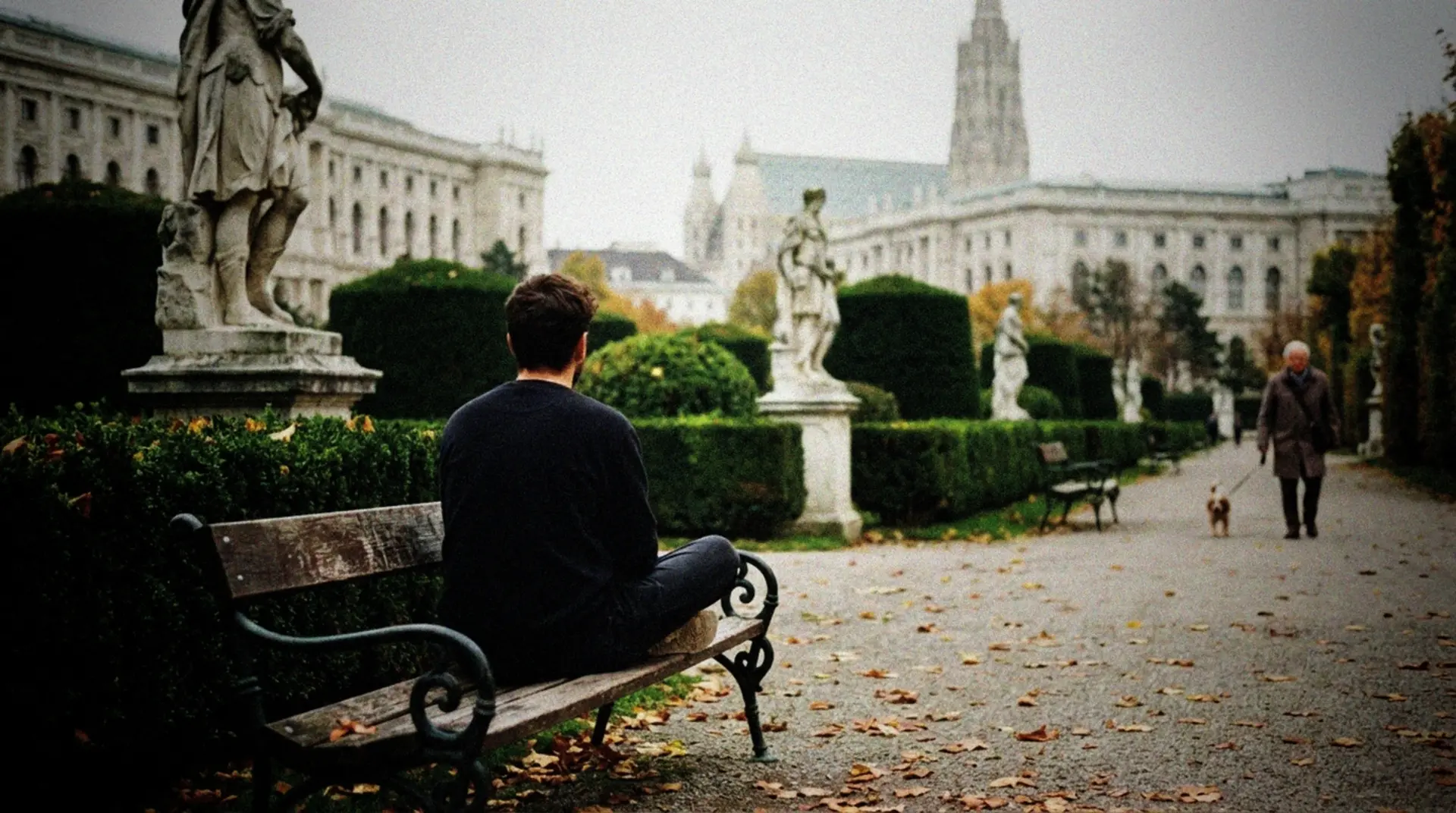
Vienna is a city that rewards a slower gaze. Between grand imperial streets and leafy courtyards, it offers a rare blend of cultural richness, efficient infrastructure, and pockets of deep quiet. Whether you are an expat settling in, a traveler seeking restorative experiences, or a mindfulness practitioner exploring new contexts, this guide introduces the places, practices, and seasonal rhythms that make mindful living in Vienna both practical and inspiring.
The mindful mindset: How to slow down in a fast-paced European capital
Mindfulness in Vienna starts with noticing the city’s built-in pauses:
- The café culture that invites you to sit as long as you like with a single melange.
- Parks and waterways (Prater, Augarten, the Danube Canal) woven into urban life.
- Reliable public transport that turns commuting into contemplative time.
- A strong respect for order and routine—surprisingly helpful for daily practice.
The key is to let the city’s rhythms support your own: walk a little slower, choose the scenic tram, pause in a courtyard before the next museum, and anchor your day with short practices.
Core practices to start today
Daily meditation, Vienna-style: Start with 5–10 minutes before your commute or café stop. If you need a structured approach, see the Beginner’s Guide to Daily Meditation: Vienna-Inspired Mindfulness Practices.
Mindful walking: Vienna’s historic lanes and riverside promenades are ideal for contemplative movement. Map your next outing with Mindful Walking Tours in Vienna: Self-Guided Contemplative Routes.
Urban nature pauses: A bench in Stadtpark, a shaded path in Türkenschanzpark, or the vast meadows of the Prater can reset your nervous system. For pinpointed locations, explore 10 Peaceful Meditation Spots in Vienna: Urban Oases for Mindfulness.
Movement and breath: Gentle yoga, tai chi, or breathwork keeps your practice embodied. Our community-tested overview, “Vienna’s Best Yoga Studios: Personal Reviews and Recommendations,” is coming soon.
Reflection and journaling: Vienna’s quiet courtyards, museums, and libraries (like the Main Library on the Gürtel) make reflection time easy. Bring a small notebook; write a paragraph between activities.
Where to practice in the city: urban oases and quiet corners
Green sanctuaries: Prater Hauptallee (long, flat, tree-lined), Augarten (geometric calm), Stadtpark (central and scenic), Türkenschanzpark (hillier, botanical), Lainzer Tiergarten (wild-feeling forest edge of the city), Danube Island (water views and breeze).
Cultural quiet: Inner courtyards at MuseumsQuartier, less-traveled corners of the Belvedere grounds, and weekday mornings at major parks before they fill. Churches outside service times can offer a remarkable hush-step in respectfully for a moment of breathing practice.
Urban nooks: Hidden passages around Freyung and Heiligenkreuzerhof, cobbled lanes behind Stephansdom early in the day, and riverside stretches of the Danube Canal at off-hours.
Your temporary sanctuary: Hotel rooms, serviced apartments, or a calm corner of a café can be effective with a simple ritual-same time, same seat, same short practice daily.
For mapped, ready-to-use options, lean on 10 Peaceful Meditation Spots in Vienna: Urban Oases for Mindfulness.
Seasonal rhythms and wellness retreats near Vienna
Vienna changes character with the seasons—so should your practice.
Winter: Interior-focused routines, breathwork, and candle-lit evening meditations after early sunsets. Consider thermal relaxation at Therme Wien or sauna culture to complement recovery.
Spring: Reintroduce longer walks; cherry blossoms in many districts and fresh greens in parks make mindful observation rewarding.
Summer: Early-morning walks to avoid heat, shaded park meditations, and river breezes along the Danube Island for cooling breathwork.
Autumn: Slow city strolls through leaf-filled boulevards; use earlier dusk to wind down screen time and deepen evening practice.
When you’re ready for a day beyond the Ringstraße, try Seasonal Wellness Retreats Near Vienna: Day Trips for Self-Care for restorative options in the Vienna Woods and nearby countryside.
Sample mindful day itineraries
Use these as flexible templates—you can swap in nearby parks, cafés, or galleries.
Weekday (expat-friendly):
- Morning: 10-minute sit at home; tram commute with phone on silent; brief breath focus while waiting at the stop.
- Lunch: Short park loop in Augarten or Stadtpark; 3-minute body scan on a bench.
- Afternoon: Midday espresso in a café—sip slowly, note five sensory details, write one reflection.
- Evening: 20–30 minutes of gentle yoga or a mindful walk. Choose a route from Mindful Walking Tours in Vienna.
Weekend (traveler-friendly):
- Morning: Sunrise stroll along the Danube Canal; 8–10 minute seated practice near the water.
- Late morning: Museum visit—pause between rooms to observe breath and posture.
- Afternoon: Picnic and quiet time in Prater meadows; brief journaling.
- Evening: Sunset at Kahlenberg or a calm neighborhood walk; early night with a tea ritual.
Community, classes, and supportive spaces
- Meditation groups: Vienna has a mix of secular and tradition-based communities. Look for English-friendly sessions, trial classes, and donation-based sittings.
- Adult education and cultural centers: Volkshochschule (VHS) courses often include mindfulness, yoga, and relaxation techniques with flexible schedules.
- Studios and gyms: Many gyms offer yin or restorative classes in English. Our review of top studios—“Vienna’s Best Yoga Studios: Personal Reviews and Recommendations”—is coming soon to help you choose by neighborhood and style.
- Libraries and quiet rooms: The Main Library and district libraries can serve as low-cost reflection spaces between activities.
Mindful eating and café culture
- Café as sanctuary: Order one coffee and stay. Savor slowly; alternate sips with three mindful breaths. Remove headphones; let the ambient hum be your focus.
- Markets and mindful selection: Stroll the Naschmarkt or Karmelitermarkt. Choose produce by sight, scent, and texture; cook at home for an unhurried meal.
- Heuriger evenings: In the wine villages on Vienna’s edges, slow dinners in garden courtyards encourage conversation and presence. Walk part of the way back to integrate the experience.
Neighborhood mini-guides
- Innere Stadt (1st): Early mornings around Stephansdom and back alleys to experience stillness before the city wakes.
- Leopoldstadt (2nd): Prater for long mindful walks; Karmelitermarkt for fresh, sensory food rituals.
- Währing (18th): Türkenschanzpark for layered greenery and gentle hills ideal for breathwork walks.
- Hietzing (13th): Lainzer Tiergarten’s forested trails for deeper nature immersion without leaving the city.
Practical tips for expats and travelers
- Language: Many classes and studios offer English or are English-friendly. Simple German phrases help, but aren’t essential.
- Timing: Early mornings and weekday mid-mornings are the quietest across parks and popular areas.
- Respectful presence: In churches, courtyards, and residential lanes, keep voices low and devices silent.
- Commute as practice: Use trams and trains as cue-based practice—two stops of breath focus, one stop observing posture, phone away until arrival.
Frequently asked questions
- Where can I meditate in public without feeling self-conscious? Benches in larger parks (Prater, Augarten), less-busy corners of Stadtpark, and Danube Island. Choose off-peak times and face a calming view.
- Do I need equipment? No. A lightweight scarf or jacket for benches, and a small notebook for reflections, is enough.
- How do I keep consistency while traveling? Anchor to two daily triggers: after waking and before dinner. Even 5 minutes maintains momentum.
- Is it safe to walk mindfully with eyes lowered? Yes—just keep awareness of the environment. Use open, well-lit routes and avoid blocking paths.
- Can I combine sightseeing with practice? Absolutely. Alternate 20–30 minutes of cultural exploration with 5 minutes of breath or body scan in a quiet corner.
Related guides on Vienna Center
- For mapped, quiet places to sit: 10 Peaceful Meditation Spots in Vienna: Urban Oases for Mindfulness
- For getting started with a daily routine: Beginner’s Guide to Daily Meditation: Vienna-Inspired Mindfulness Practices
- For contemplative routes across the city: Mindful Walking Tours in Vienna: Self-Guided Contemplative Routes
- For seasonal resets beyond the city: Seasonal Wellness Retreats Near Vienna: Day Trips for Self-Care
- Coming soon: Vienna’s Best Yoga Studios: Personal Reviews and Recommendations
Your next step
Choose one habit (5-minute morning sit, a mindful tram ride, or a weekly park walk) and one place (from the meditation spots or walking tours) to repeat for two weeks. Small, consistent steps turn Vienna’s elegance and calm into a sustainable mindfulness practice.